Aligning Crusher Wear Liner Life with Extended Maintenance Intervals — for Increased Throughput
The Situation — A Mismatched Circuit
In a production-driven environment—especially with low-to-medium grade gold—throughput is the primary KPI.
However, in practice, maximum liner life alone is not the objective.
The real challenge is maintenance synchronisation.
If wear cycles do not align with:
- Fixed shutdown windows
- Overhead crane availability
👉 Operational efficiency is lost
We were operating a two-stage crushing circuit:
- Primary: Jaw crusher (C160)
- Secondary: Cone crusher (CH890)
- With a vibrating feeder in between
Operational Constraint
In practice, liner life needed to align with structured maintenance intervals:
- Weekly
- Fortnightly
- 3-weekly
- 4-weekly (or multiples of weekly shutdown cycles)
Reality at the Time
- Stuck in 2-weekly changeout cycle
- Each intervention required ~1 full day downtime
👉 This made alignment impossible
Reality at the Time
- Stuck in 2-weekly changeout cycle
- Each intervention required ~1 full day downtime
👉 This made alignment impossible
Phase 1 — Stabilising the Jaw
Initial Issues
Jaw Crusher
- 2-piece quarry tooth configuration
- Rotation cumbersome
- Changeout impractical
Cone Crusher
- M9 extra coarse chamber
- Too large → acting as pass-through
- Poor crushing efficiency
Constraint Reality
At that stage:
- Required tailor-made C160 liners for long life option
- No regional stock for alternative CH890 chambers
Any change required:
- Internal approvals
- Supplier lead time
👉 Even when issues were obvious, implementation was delayed
First Adjustment
We:
- Sourced one-piece jaw liners (existing stock)
- In parallel, developed TIC insert liners (bespoke tooth design)
First Adjustment
We:
- Sourced one-piece jaw liners (existing stock)
- In parallel, developed TIC insert liners (bespoke tooth design)
But:
The cone crusher became the bottleneck
Phase 2 — The Material Assumption Trap
Despite improvements, performance plateaued.
Initial assumption:
If TIC works in the jaw → it should work in the cone
What Happened
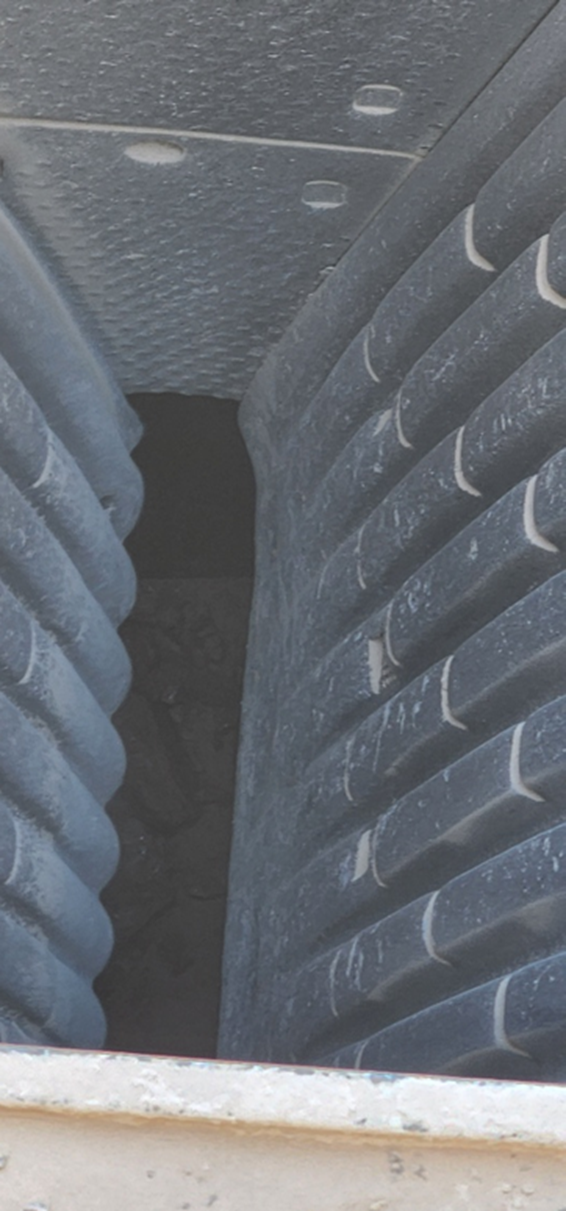
- TIC inserts applied to cone
- Performed worse
- Caused bottom shell damage
Key Insight
Advanced materials cannot be applied based on assumption.
They require understanding of:
- Wear mechanism
- Load profile
- Crushing dynamics
- Feed Condition
- Crusher parameter settings
Phase 3 — Solving the System, Not Just the Material
What Didn’t Work
Material changes alone:
- M7 / M8 / M9
- 23% manganese
- TIC inserts
👉 No improvement beyond ~2 weeks
Turning Point — Supplier Interaction
At this point, I asked:
“What else can we do — besides just the liner materials?”
The supplier introduced:
- Plant-wide process evaluation
- Simulation-based approach
Validation Step (Critical)
I did NOT accept this directly.
I:
- Cross-checked with OEM
- Validated assumptions
- Only proceeded after verification
It wasn’t about who proposed the solution
— it was whether the logic held under real operating conditions
What We Found
The issue was a combined effect of:
- Feeding consistency
- Chamber profile
- Wear material performance
Root Cause — Feeding Instability
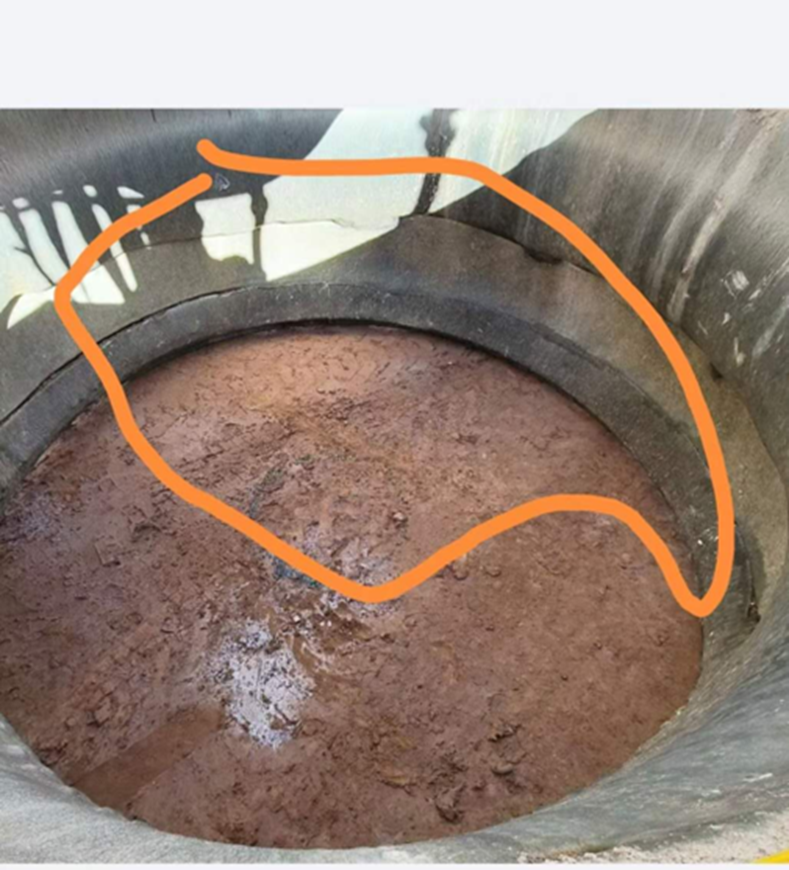
- Choke fed — but inconsistent
- Bin level fluctuations
- Uneven chamber loading
Result
- Uneven wear
- Reduced liner life
Material Insight
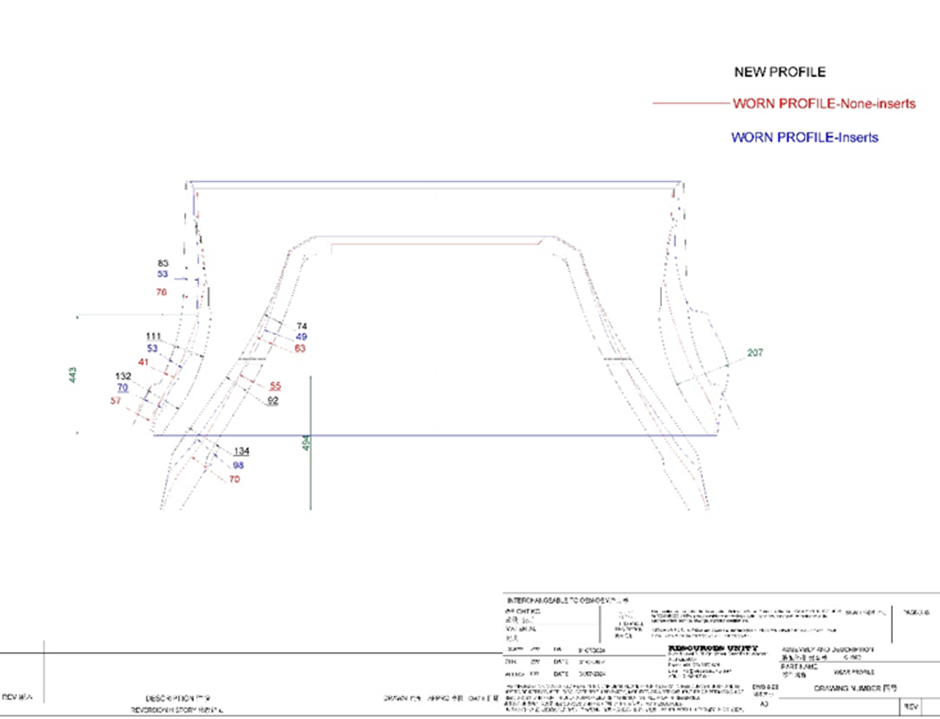
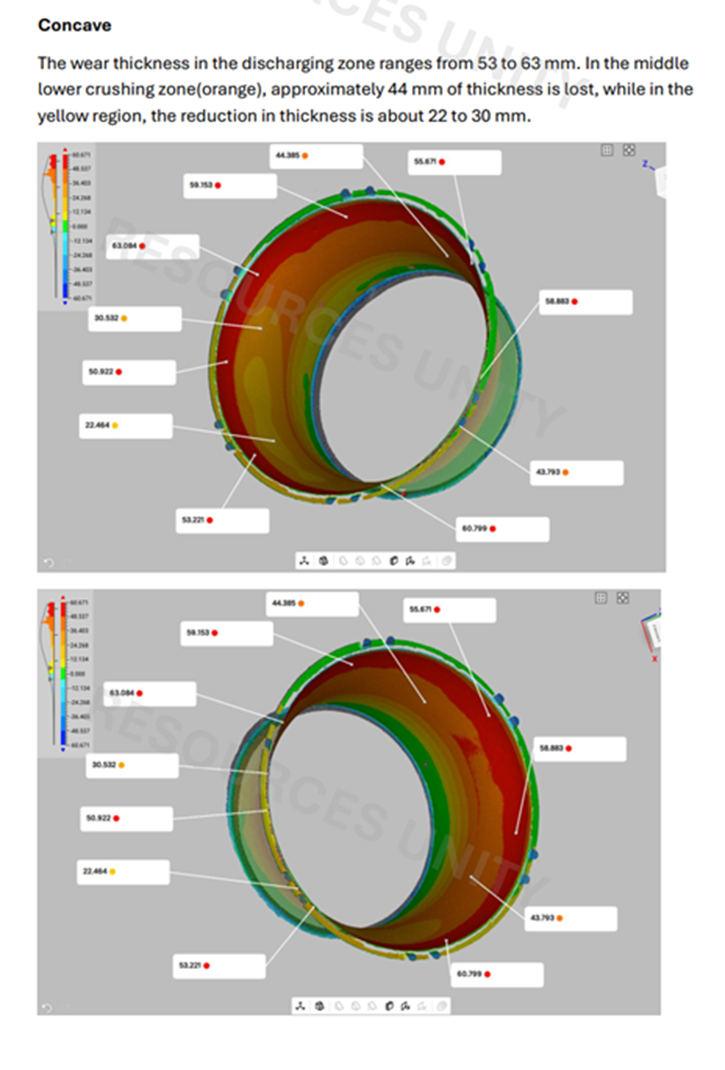
Parallel wear comparison showed:
Enhanced manganese retained more material than OEM after wear scans
Important
This only became visible after:
👉 Wear became more uniform and predictable
Material performance became meaningful only after system stabilisation
Phase 4 — Process Stabilisation
Proposed Change (Counterintuitive)
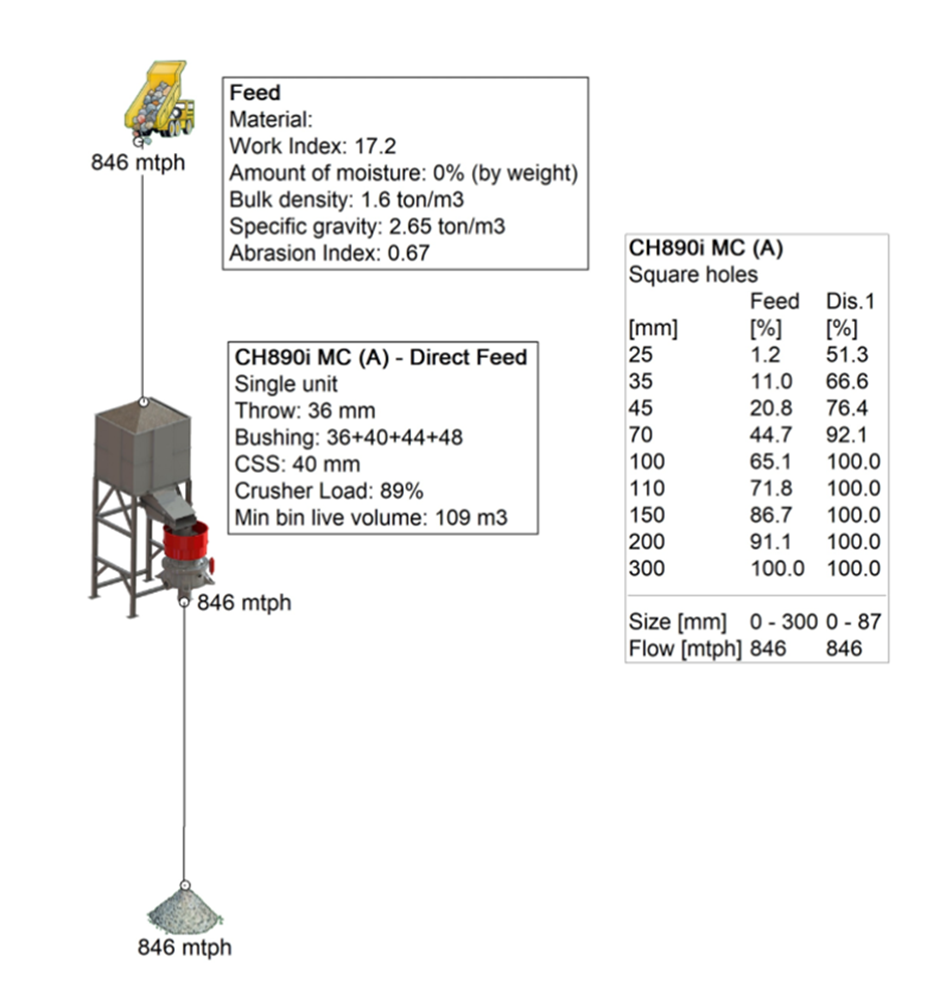
- Reduce eccentric throw to 36 mm
- Slow down crushing by avoiding high or low figures but pursuing better consistency and stable throughput figures
Objective
- Gain enough material in crusher consistently
- Achieve consistent choke feeding
Mechanical Impact
- Stabilised crusher chamber profile
- Improved wear uniformity
Internal Resistance
“We’ll lose throughput if we slow down”
Decision
Following validation of the supplier’s submission across:
- Simulation outputs
- Operating logic
- Technical consultation and walkthrough
👉 I proceeded
Principle Behind Decision
Consistency of operation outweighs peak throughput spikes
Execution
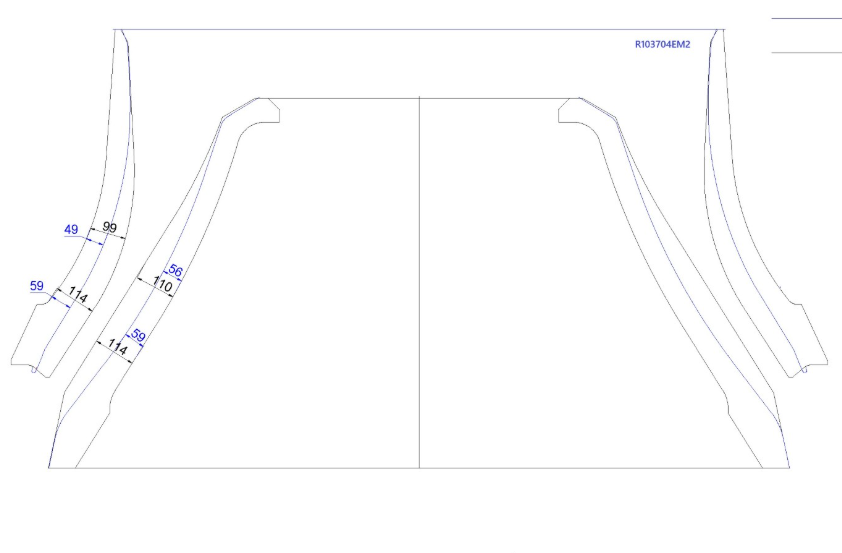
- Medium coarse chamber
- Reduced eccentric throw
- Stabilised feed conditions
Outcome (Stage 1)
- Liners behaved predictably
- But performance not yet maximised
Parallel Improvement — Jaw
- Tungsten-enhanced inserts
- Increased insert ratio
- Geometry optimisation
Result
- 4-week rotation / 4-week changeout
👉 Jaw now aligned with maintenance planning
Milestone Outcome — System Alignment
We continued using:
- Enhanced manganese
- Optimised chamber profile
Result
- Cone: 4-week liner life
- Jaw aligned to same cycle
Material performance only became meaningful after process stabilisation
What Happened Next — Full Synchronisation
With a stable system:
- Cone: 6-week liner life
- Jaw: 6-week rotation per side → 12-week changeout
👉 Full maintenance alignment achieved
How This Was Achieved
- Supplier-recommended materials
- Stable operating conditions
- Wear monitoring
- Geometry refinement
- Reverse-engineered adjustments
Further Option (Not Pursued)
- 12-week cone
- 6-week jaw
Technically viable.
Why Not Implemented
- No additional feed available
- Already above nameplate
👉 Not required operationally
Final Reflections
1. Material performance is process-dependent
Unstable circuits negate liner capability.
2. Solutions are equipment-specific
Direct transfer between crusher types leads to underperformance.
3. Chamber geometry drives wear outcomes
Design dictates utilisation — not size.
4. Throughput is driven by stability, not peaks
Consistency delivers higher net production.
5. Extended liner life is achievable
When alignment is correct, step-change improvements occur.
Final Thought
What started as a liner issue
became a system optimisation problem
Once aligned:
- Liner life extended
- Maintenance synchronised
- Throughput stabilised
- Material performed as intended